


A streetwear wardrobe essentials checklist is defined as a curated set of clothing items, footwear, and accessories that form the foundation of a functional, style-driven streetwear wardrobe. Building this foundation correctly means you spend less time second-guessing outfits and more time wearing looks that actually work. The checklist covers five core categories: tops, bottoms, outerwear, footwear, and accessories. Brands like Supreme, Nike, Carhartt WIP, and New Balance have shaped what these categories look like in 2026. This guide breaks each one down so you can build smart, not just buy more.
1. What belongs on your streetwear wardrobe essentials checklist
The foundational streetwear formula is top + relaxed pants + sneakers + accessories. That combination creates balanced proportions and gives you a starting point for every outfit you build. Every item on your checklist should serve that formula.
Here are the must-have streetwear items organized by category:
Tops
- Oversized graphic tees in heavyweight cotton (at least 220 GSM for structure and durability)
- Plain oversized tees in white, black, and gray as blank canvases
- Hoodies with a structured fit, not shapeless, for clean layering
- Crewneck sweatshirts in neutral tones for mid-layer versatility
- Long-sleeve tees for transitional weather and base layering
Bottoms
- Relaxed or baggy denim jeans in raw indigo or washed black
- Cargo pants in olive, black, or tan for utility and silhouette variety
- Loose-fit sweatpants for casual rotations and comfort-forward looks
Outerwear
- Coach jacket or windbreaker for lightweight coverage
- Overshirt in flannel or nylon as a transitional layer
- Puffer vest for cold-weather layering without restricting arm movement
Footwear
- One reliable daily sneaker (low-profile runner or classic silhouette)
- One statement sneaker for elevated or event-specific outfits
Accessories
- Dad cap or five-panel cap in a neutral or branded colorway
- Simple crossbody bag or tote for function and proportion balance
- Crew socks in white or black as a finishing detail
Oversized graphic tees and quality hoodies form the backbone of streetwear wardrobe basics, with fit, fabric weight, and layering potential being the deciding factors. A tee that fits poorly or loses its shape after three washes is not a foundation piece. It is a waste of budget.
Pro Tip: When buying oversized tees, size up one from your standard fit and look for pre-shrunk cotton. This keeps the silhouette consistent after washing.
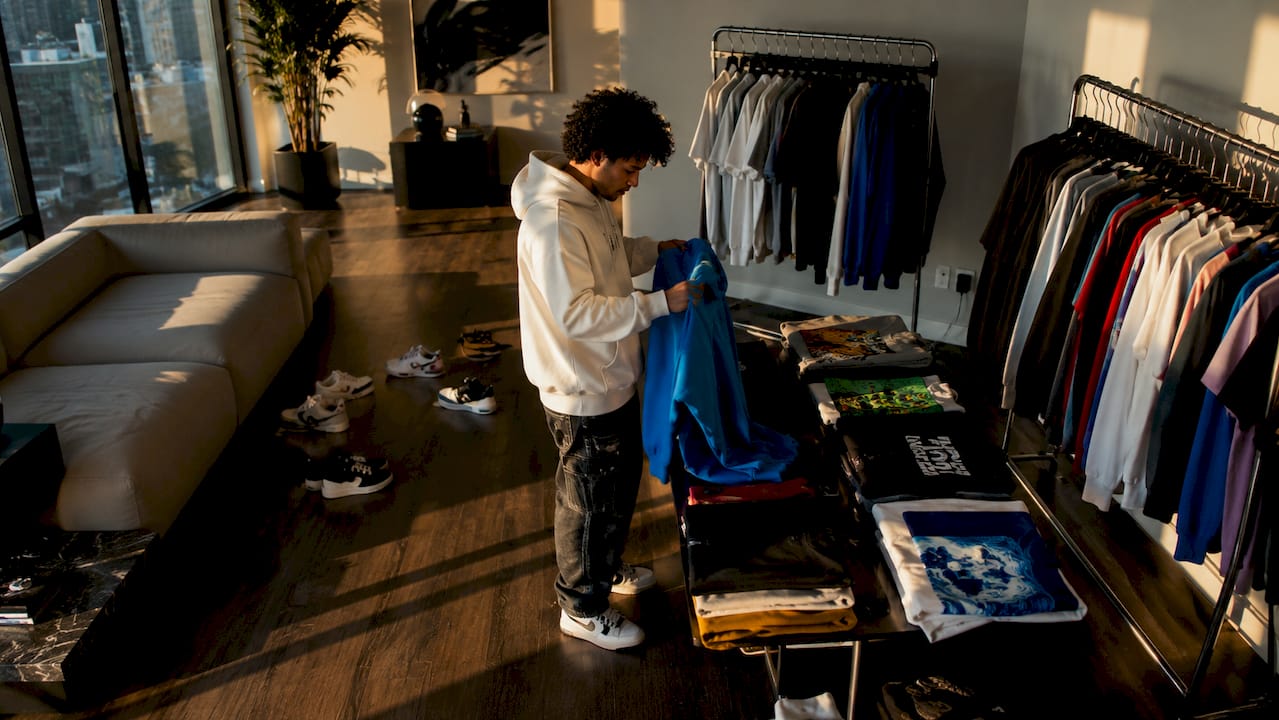
2. How to select and coordinate sneakers and pants
Sneakers are the foundation of streetwear; their shape directly influences pant fit and overall outfit structure. This is the most overlooked coordination principle in streetwear. Get it wrong and even expensive pieces look off.
Here is a practical checklist for pairing sneakers and pants:
- Identify your sneaker’s silhouette. Chunky soles and wide toe boxes (New Balance 990, Nike Air Max) require wider leg openings to maintain visual balance.
- Match slim sneakers with tapered or straight-leg pants. Low-profile runners like the Adidas Samba or Nike Cortez work with straight-leg denim and tapered cargo pants.
- Check the hem break. The pant hem should sit just above the shoe’s midsole. Too much stack looks sloppy. Too short reads as intentional only if the sock is part of the look.
- Coordinate color temperature. Warm-toned sneakers (cream, tan, brown) pair with earth-tone pants. Cool-toned sneakers (white, gray, black) work across most palettes.
- Rotate your sneakers. Wearing one pair daily accelerates wear and limits outfit variety. Two to three pairs in rotation extends the life of each.
Choose one reliable sneaker to wear multiple times per week before investing in statement pairs. This approach builds outfit fluency before you add complexity. Statement sneakers like Jordan 1s or Yeezy 350s demand specific pant shapes and color stories. A daily sneaker teaches you those lessons at lower cost.
Pro Tip: Clean your sneakers after every third wear. A clean shoe reads as intentional. A dirty one undercuts even a well-built outfit.
3. How to layer streetwear essentials for style and comfort
Layering adds depth and movement, and combining textures like cotton, fleece, nylon, and denim keeps streetwear visually interesting. Layering is not just a cold-weather strategy. It is a year-round styling tool that adds dimension to simple outfits.
The base, mid, and outer layer system organizes your wardrobe into functional tiers:
- Base layer: Tees, tanks, and long-sleeve shirts. These set the foundation of color and fit. A white tee under an open flannel overshirt is a complete look on its own.
- Mid layer: Hoodies, crewnecks, and zip-up fleeces. These add bulk and warmth without closing off the outfit. The iisyndicate Inspire Innovate Waffle Zip Hoodie is a strong mid-layer option with texture that reads well over a plain tee.
- Outer layer: Coach jackets, puffers, and overshirts. These define the silhouette from a distance and protect the layers underneath.
Proportion control is the key skill in layering. If your base layer is oversized, your mid layer should be fitted or cropped. If your mid layer adds bulk, your outer layer should be structured rather than voluminous. Stacking two oversized pieces without a fitted element creates a shapeless look.
Fabric mixing adds visual interest without requiring expensive pieces. Cotton tees under nylon jackets, denim over fleece hoodies, and canvas overshirts above waffle-knit layers all create contrast that reads as intentional. Avoid mixing fabrics with similar textures and weights. Two matte cotton pieces layered together flatten the outfit visually.
4. How to evaluate streetwear pieces for quality and investment value
A streetwear investment pieces checklist requires a scoring system, not just gut instinct. Use a 1–5 scale to evaluate scarcity, collaborator credibility, condition, sold price strength, and platform confidence before any significant purchase. This method removes emotion from buying decisions and protects your budget.
| Evaluation Factor | What to Look For | Red Flag |
|---|---|---|
| Scarcity | Limited run, regional release, or collab drop | Mass restock within 30 days of release |
| Collaborator credibility | Established brand or artist with track record | One-off hype with no prior releases |
| Condition | Tags attached, no fading, no pilling | Washed multiple times, missing tags |
| Sold price strength | Consistent resale above retail on StockX or GOAT | Prices dropping toward retail or below |
| Platform confidence | Verified seller, detailed photos, return policy | No photos, vague sizing, no returns |
Buying streetwear online requires physical verification of tags, wash labels, and stitching to avoid returns or counterfeits. Request un-staged photos from sellers to confirm authenticity and condition. This step is non-negotiable on secondary markets like Grailed, Depop, or Facebook Marketplace.
Hype and value are not the same thing. A piece trending on social media for two weeks is hype. A piece from a brand with consistent design language, quality materials, and cultural relevance holds value. Brands like Stüssy, Carhartt WIP, and Stone Island have maintained resale strength for years because their identity is stable. Chasing drops without understanding a brand’s track record is how wardrobes become expensive mistakes.
Pro Tip: Before buying a resale item, search its exact colorway and size on StockX’s sold listings. If the price has dropped three consecutive months, the hype has passed.
5. How to maintain and refresh your wardrobe over time
Streetwear piece fit evolves due to laundering and wear, so reviewing your core wardrobe periodically keeps your style balance intact. This is practical maintenance, not a trend-chasing exercise. A hoodie that has shrunk two inches in the body no longer layers the same way it did when you bought it.
Schedule a wardrobe review every three to four months. Pull out every core piece and assess fit, condition, and how often you actually reach for it. Pieces you have not worn in two months are either not working with your current wardrobe or no longer fit your style direction. Remove them and replace with intention.
Focus on well-made pieces that stand the test of time rather than chasing hype for long-term style development. MR PORTER’s streetwear editorial makes this point clearly: the most stylish people in streetwear are not the ones with the most drops. They are the ones whose wardrobe tells a consistent story. Build toward that.
Refreshing your wardrobe does not mean replacing everything. It means adding one or two quality pieces per season that fill a specific gap. If your outerwear is weak, add a coach jacket. If your bottoms lack variety, add a cargo pant in a new color. Targeted additions build a wardrobe faster than random purchases.
Key takeaways
A strong streetwear wardrobe is built on quality basics, deliberate sneaker and pant coordination, and layering skills that create depth without losing proportion.
| Point | Details |
|---|---|
| Start with the formula | Top + relaxed pants + sneakers + accessories creates the base for every outfit. |
| Sneakers dictate pant fit | Match pant leg width to sneaker silhouette before buying either piece. |
| Layer with purpose | Use base, mid, and outer layers with contrasting fabrics to add visual depth. |
| Evaluate before you buy | Score resale pieces on scarcity, condition, and sold price history before committing. |
| Review your wardrobe regularly | Check fit and condition every three to four months and replace with intention. |
Why I stopped chasing drops and started building a real wardrobe
I spent two years buying every hyped release I could get my hands on. Jordan 1s in four colorways. Graphic tees from every collab drop. Cargo pants in colors I never actually wore. The wardrobe looked impressive in photos and felt chaotic every morning.
The shift happened when I started treating my wardrobe like a system instead of a collection. I asked one question before every purchase: does this work with at least three things I already own? If the answer was no, I passed. That single filter cut my spending in half and doubled how often I actually liked what I was wearing.
The pieces I reach for most are not the rarest ones. They are the ones with the best fabric, the cleanest fit, and the most flexibility. A heavyweight washed tee from iisyndicate gets worn more than a limited collab piece I paid three times retail for. Quality and wearability beat scarcity every time.
My advice: build your checklist around what you wear, not what you want to own. Start with five core pieces that work together. Add one new item per month with a specific purpose. Give your style time to develop before you invest in statement pieces. The wardrobe you build slowly is the one you actually wear.
— Cedrick
Build your wardrobe with iisyndicate
iisyndicate designs apparel built for people who take their style seriously. Every piece is made to work within a real wardrobe, not just look good in a product photo.
The InnoInspo collection covers the core essentials: oversized tees, structured hoodies, and versatile bottoms that layer and coordinate the way this guide describes. If you want help building your checklist from scratch, the clothing line consulting service gives you direct access to expert guidance on assembling a wardrobe that reflects your identity and works across seasons. Built to innovate. Made to inspire.
FAQ
What are the must-have streetwear items for beginners?
The core must-have streetwear items are oversized tees, a quality hoodie, relaxed denim or cargo pants, a reliable daily sneaker, and a cap or crossbody bag. These five pieces cover the foundational streetwear formula and work across most outfit combinations.
How do I choose the right pants for my sneakers?
Match pant leg width to your sneaker’s silhouette. Chunky sneakers like the New Balance 990 pair with wider leg openings, while slim runners like the Adidas Samba work with straight-leg or tapered pants.
How many sneakers do I need in a streetwear wardrobe?
Start with one reliable daily sneaker and one statement pair. Two to three pairs in rotation is the practical range for most wardrobes, balancing variety with budget and maintenance.
How do I avoid buying fake streetwear online?
Verify tags, wash labels, and stitching before completing any secondary market purchase. Request un-staged photos from the seller and cross-check sold listings on platforms like StockX or GOAT to confirm authenticity and fair pricing.
How often should I update my streetwear wardrobe?
Review your core pieces every three to four months and add one to two targeted items per season. Avoid full wardrobe overhauls. Gradual, intentional additions build a more cohesive and wearable wardrobe over time.
0 comments