


Styling streetwear for job interviews means combining polished, structured basics with intentional street-inspired accents to create an outfit that reads professional and personal at once. This approach works especially well in creative industries, where hiring managers expect candidates to show taste and self-awareness through their appearance. The key is not choosing between streetwear and professionalism. It is knowing how to layer them. Fabric quality, silhouette, and minimalism are the three pillars that make this work. Get those right, and your interview outfit becomes a statement of confidence, not a distraction.
What are the core principles of blending streetwear with professional interview attire?
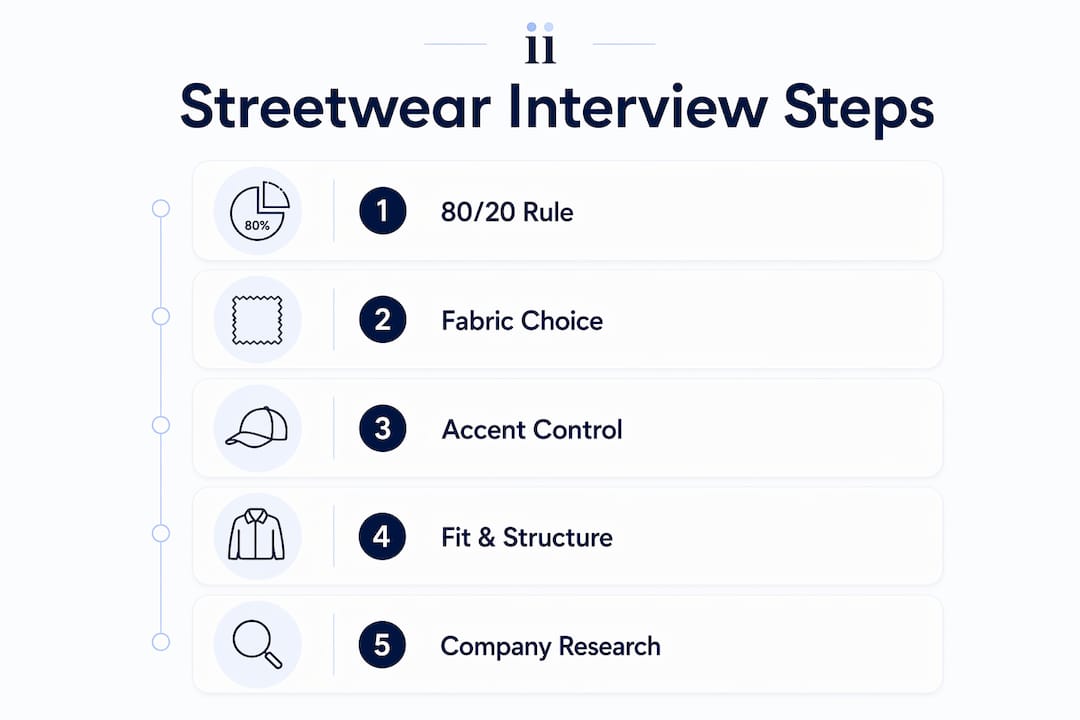
The 80/20 formula is the foundation of business casual streetwear done right. 80% neutral base, 20% streetwear accent means your outfit reads structured first and stylish second. That ratio keeps the look intentional rather than casual.
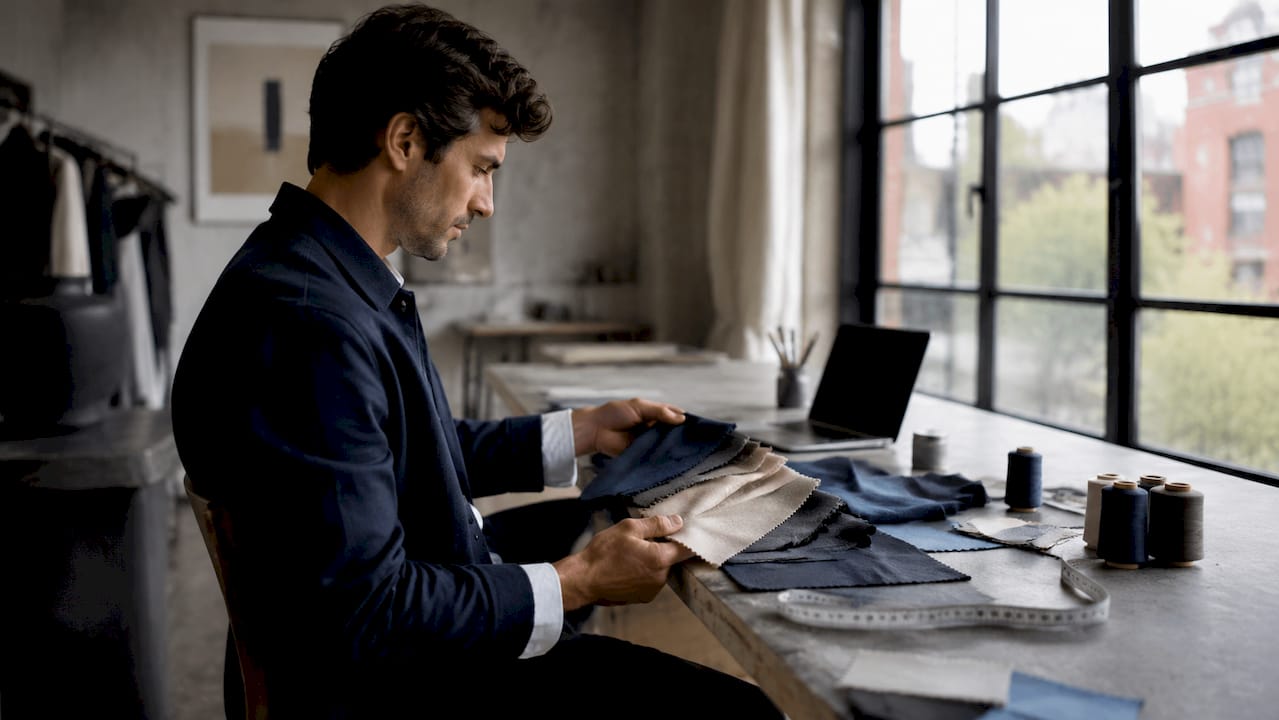
Fabric is where most people go wrong. Dense cotton around 180 g/m², structured wool, and matte silks hold their shape under interview lighting. Thin, shiny, or clingy fabrics read cheap in a conference room, regardless of the brand on the label. Fabric weight is the single fastest way to upgrade how your streetwear reads in a professional setting.
Silhouette and fit matter just as much as the pieces themselves. A well-fitted hoodie under a tailored blazer looks intentional. The same hoodie worn loose under an oversized jacket looks like you forgot to change. Structure creates the visual signal that you dressed with purpose.
Here is what to prioritize when building your interview look:
- Neutral base pieces: Black, navy, gray, and off-white form the foundation. These colors read professional and let your accent pieces land without competing.
- Structured outerwear: A blazer, structured bomber, or tailored overshirt anchors the look and signals formality.
- Clean footwear: White leather sneakers, minimalist low-tops, or clean Chelsea boots work well. Avoid chunky soles, neon colorways, or worn-down edges.
- Minimal accessories: One subtle piece, like a simple watch or understated earring, elevates without distracting. More than two accessories shifts attention away from you.
- Controlled branding: Small, tonal logos are acceptable. Large graphic prints and loud brand marks belong at the concert, not the interview.
Pro Tip: Avoid any piece with a graphic larger than your palm. Oversized logos and bold prints pull focus from your face and your words, which is the opposite of what you want in an interview room.
How to choose and prepare your streetwear interview outfit
A strong interview outfit starts before you open your closet. Follow this process to build a look that is polished, prepared, and true to your style.
-
Research the company’s culture. Check the company’s dress code and study their social media, website photography, and LinkedIn profiles of current employees. A fashion brand will respond differently to your outfit than a tech startup or a creative agency.
-
Select your neutral base. Choose well-fitted trousers, chinos, or structured pants in black, navy, or gray. Pair with a clean button-down, a fitted crewneck, or a quality tee in a neutral tone. Pieces like the Iisyndicate straight-leg pants show how streetwear silhouettes can hold a professional line.
-
Add one streetwear accent. Layer a zip hoodie under a blazer, French tuck a graphic tee into tailored trousers, or wear a clean bomber over a structured shirt. One accent is enough. Two or more starts to read as a costume.
-
Choose your footwear deliberately. Clean white leather sneakers, minimalist low-tops, or polished Chelsea boots all work. Dress one level above your usual casual wear when unsure. Footwear is the first thing many interviewers notice when you walk in.
-
Prepare the night before. Iron or steam every piece, polish your shoes, and lay out the complete look including accessories and grooming items. Morning decisions made under pressure lead to mismatched or wrinkled outfits.
-
Do a full-length mirror check. Look at the outfit as a whole, not piece by piece. Check that proportions work, nothing is pulling or bunching, and the overall impression reads clean and confident.
| Outfit Component | Streetwear Option | Professional Anchor |
|---|---|---|
| Top | Graphic tee, zip hoodie | French tuck into trousers, layer under blazer |
| Bottom | Straight-leg pants, chinos | Tailored fit, neutral color |
| Outerwear | Structured bomber, overshirt | Blazer, tailored jacket |
| Footwear | Clean leather sneakers, low-tops | Polished, minimal colorway |
| Accessories | Simple watch, subtle earring | One piece maximum |
Pro Tip: Pack a small grooming kit, a lint roller, and a spare button in your bag. Arrive 10 minutes early to do a final check in a restroom mirror before you walk in.
What are common mistakes to avoid when styling streetwear for interviews?
The most common mistake is treating the interview as a fashion moment rather than a professional introduction. Fashion expert Deepali Vyas advises against overdoing trends and recommends calibrating your look to sit slightly above the company’s baseline. Your outfit should support your presence, not compete with it.
These are the mistakes that cost candidates credibility:
- Wearing shiny or thin fabrics. Polyester blends and lightweight jersey read inexpensive under office lighting. They also wrinkle faster and cling in unflattering ways.
- Over-accessorizing. Multiple chains, stacked rings, and statement earrings worn together dilute your presence. Each piece fights for attention.
- Ignoring fit. Oversized streetwear that works on Instagram looks sloppy in a conference room. Fit is the difference between intentional and careless.
- Skipping preparation. Wrinkled clothes and scuffed shoes signal that you did not care enough to prepare. Interviewers notice.
- Misjudging the company culture. Wearing a full streetwear look to a conservative creative firm, or overdressing in a suit to a casual startup, both signal poor research.
“Your outfit should elevate your presence without competing with it. The goal is to look like you belong there, and then some.” — Deepali Vyas, Fashion Week Daily
Pro Tip: Check your outfit under both daylight and indoor lighting before the interview day. Colors and fabrics read differently under fluorescent office lights than they do in your bedroom.
How does streetwear interview style differ across creative industries?
Not all creative industries share the same dress code. The right balance of street style and professionalism shifts depending on the company type, the role, and the seniority level. Looking slightly more professional than the company baseline is always the safer move when you are unsure.
| Industry | Formality Level | Streetwear Integration | Example Outfit |
|---|---|---|---|
| Fashion Brand | High creative latitude | Bold but structured | Tailored trousers, graphic tee, blazer, clean sneakers |
| Creative Agency | Moderate | Subtle accent pieces | Chinos, zip hoodie, structured overshirt, Chelsea boots |
| Tech Startup | Casual to moderate | More relaxed, still clean | Dark jeans, quality crewneck, minimal sneakers |
| Music or Media | High creative latitude | Expressive, intentional | Statement jacket, neutral base, one bold accessory |
| Design Studio | Moderate | Clean and considered | Straight-leg pants, matte button-down, low-top sneakers |
A fashion brand interview rewards a more expressive look. The hiring team is evaluating your taste directly. A graphic tee French tucked into tailored trousers, paired with a structured blazer and clean leather sneakers, signals that you understand the brand’s visual language.
A creative agency interview calls for a more restrained approach. The focus shifts to your portfolio and communication skills. A zip hoodie layered under a structured overshirt, worn with chinos and Chelsea boots, keeps the look creative without overshadowing your work.
For tech startups, classic colors like black, navy, and gray with clean silhouettes work best. The culture is casual, but showing up in your most worn streetwear still signals a lack of effort. A quality crewneck in a neutral tone with dark, well-fitted jeans and minimal sneakers hits the right note.
Research the company’s visual identity before you decide. Scroll their Instagram, look at their team page, and note what their employees wear in photos. That research takes 10 minutes and removes most of the guesswork.
Key takeaways
Polished streetwear for creative industry interviews works when you lead with structure, control your accents, and prepare every detail the night before.
| Point | Details |
|---|---|
| Use the 80/20 formula | Build 80% of the look with neutral, structured basics and limit streetwear accents to 20%. |
| Prioritize fabric weight | Choose dense cotton, structured wool, or matte fabrics that hold shape under office lighting. |
| Prepare the night before | Steam clothes, polish shoes, and lay out the full look including accessories before interview day. |
| Calibrate to the company | Research the company’s culture and dress one level above their baseline to avoid underdressing. |
| One accent, one accessory | Limit streetwear elements and accessories to one each so your presence leads the conversation. |
What i have learned about dressing for creative interviews
The conventional advice tells you to dress conservatively and play it safe. That advice was written for corporate finance, not for creative fields. In my experience, showing up to a creative agency interview in a plain navy suit can actually hurt you. It signals that you do not understand the culture you are trying to join.
What works is showing that you have taste and judgment at the same time. I have seen candidates walk into interviews wearing a waffle zip hoodie under a structured blazer, clean straight-leg pants, and white leather sneakers, and own the room. The outfit said: I know what I am doing, and I know where I am. That combination is more powerful than any traditional interview look.
The detail that separates good from great is always fabric. A quality piece in a matte, weighted fabric reads expensive and intentional. The same silhouette in a thin, shiny material reads like an afterthought. Invest in two or three quality base pieces and build everything else around them.
Confidence is the final layer. Your outfit sets the tone, but how you carry it determines whether it works. Wear something you have tested before. Never debut a new outfit on interview day. The goal is to feel so comfortable in what you are wearing that you stop thinking about it the moment you walk in.
In 2026, creative industry dress codes have shifted further toward self-expression. Companies want to see who you are. Give them a clear, polished answer.
— Cedrick
Build your interview wardrobe with Iisyndicate
Iisyndicate is built for creators who need their wardrobe to work as hard as their portfolio. Every piece is designed with quality, structure, and creative identity in mind, which makes the collection a natural fit for interview-ready streetwear looks.
Start with the InnoInspo collection for curated streetwear essentials that hold their shape and read polished in professional settings. If you want expert guidance on building a personal brand through your wardrobe, the clothing line consulting service connects you with styling and branding support designed for creative professionals. Your interview outfit is part of your personal brand. Build it with intention.
FAQ
What is the 80/20 rule for interview streetwear?
The 80/20 rule means 80% of your outfit should be neutral, structured basics and 20% should be a single streetwear accent. This ratio keeps the look professional while allowing personal style to show through.
What fabrics work best for a streetwear interview outfit?
Dense cotton around 180 g/m², structured wool, and matte fabrics hold their shape and read higher quality under office lighting. Avoid thin, shiny, or clingy materials, which look inexpensive in interview settings.
How do i know what to wear to a specific company’s interview?
Research the company’s social media, team page, and LinkedIn profiles to understand their dress culture. Then dress one level above what you observe as their baseline to avoid appearing underdressed.
Can i wear sneakers to a creative industry job interview?
Clean, minimalist sneakers in white leather or neutral tones are appropriate for most creative industry interviews. Avoid chunky soles, bold colorways, or visibly worn pairs, as footwear is one of the first details interviewers notice.
How many streetwear accents should i include in an interview outfit?
Limit yourself to one streetwear accent piece and one accessory. More than that shifts the focus away from your skills and conversation, which is the opposite of what you want in an interview.
0 comments